Hlovík amidst the Rebellious People

Jonáš Záborský
Hlovík amidst the Rebellious People
Drama
The new SND building, Studio
12. 9. 2026 13. 9. 2026
Schedule of performances
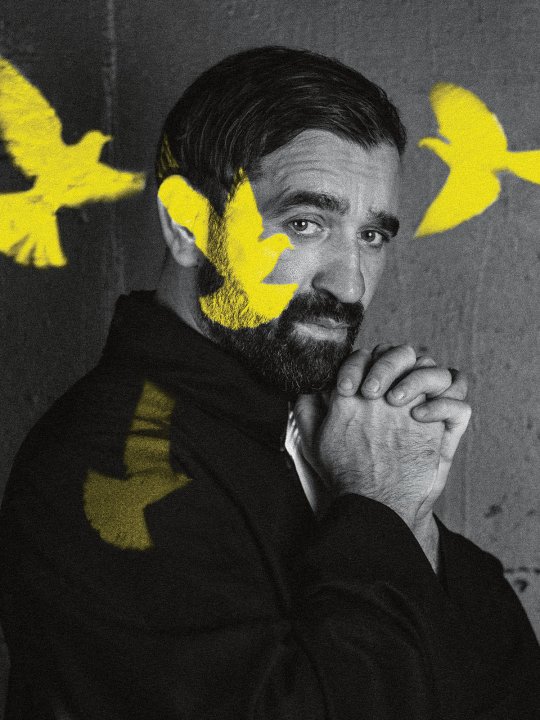
Hlovík amidst the Rebellious People is more of a traditional reportage than a fiction. Drawing on eyewitness accounts, Záborský compiled a chronicle of the bloodshed that took place in Merník during the peasant uprisings of 1831. In a factual yet captivating style, he describes the journey of the priest Adam Hlovík, his captivity, anticipation of execution, and sudden liberation. The text is full of suspense, dramatic situations, and even dark humour in places. However, Záborský's text primarily questions a whole range of ideas that we have formed about ourselves – about our dovelike nature, Christian foundations, or heroism. There are numerous testimonies, accounts, and statements about the peasant riots of 1831, which reveal excitingly the circumstances under which mild-mannered and kind people become a lynching mob that, in its desire for justice, only multiplies injustices.
Running time is indicative, as the dress rehearsal is still due for the production.
Première September 12, 2026
Do you also wish to be among the first to know what is going on at the SND?
Photography